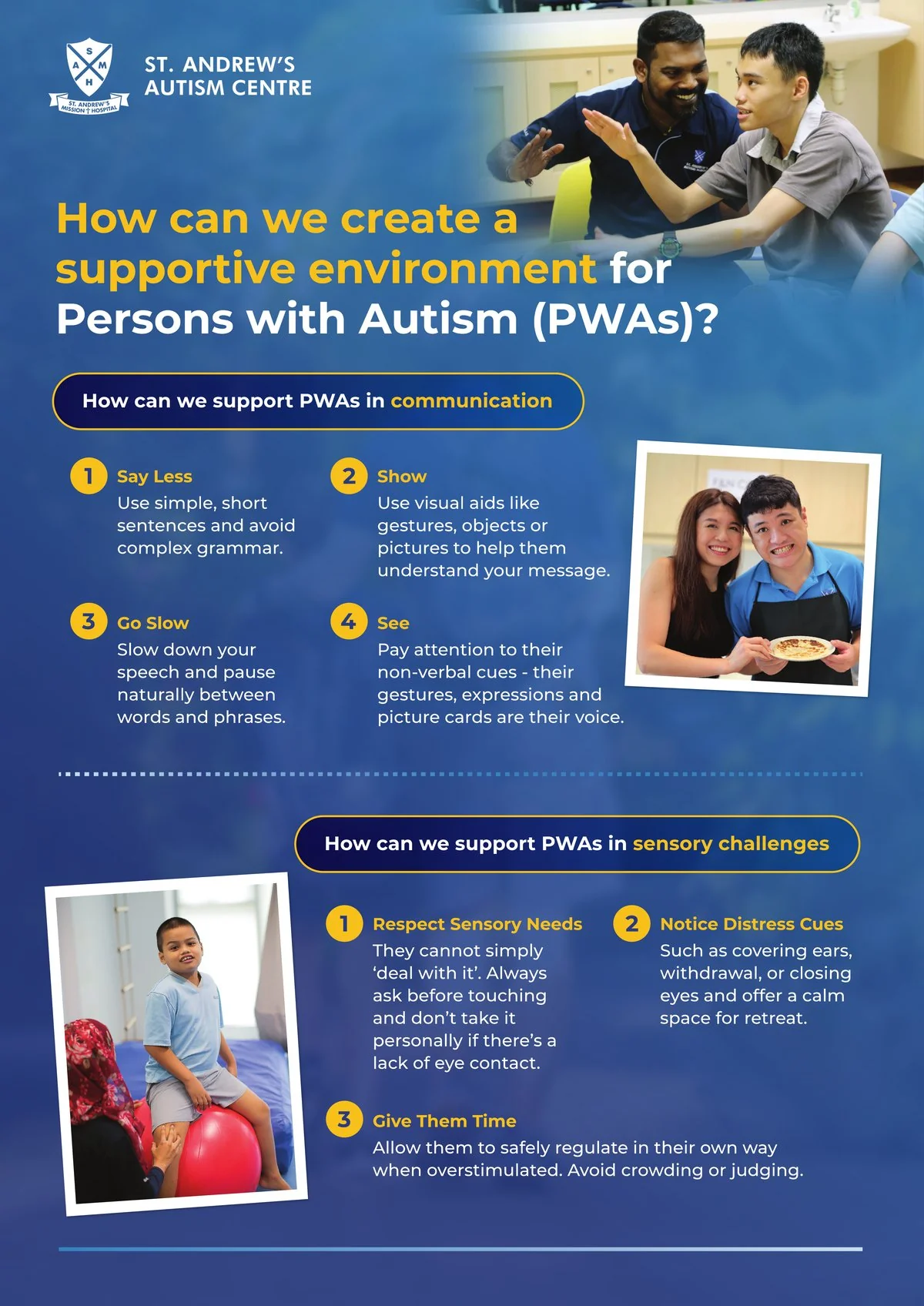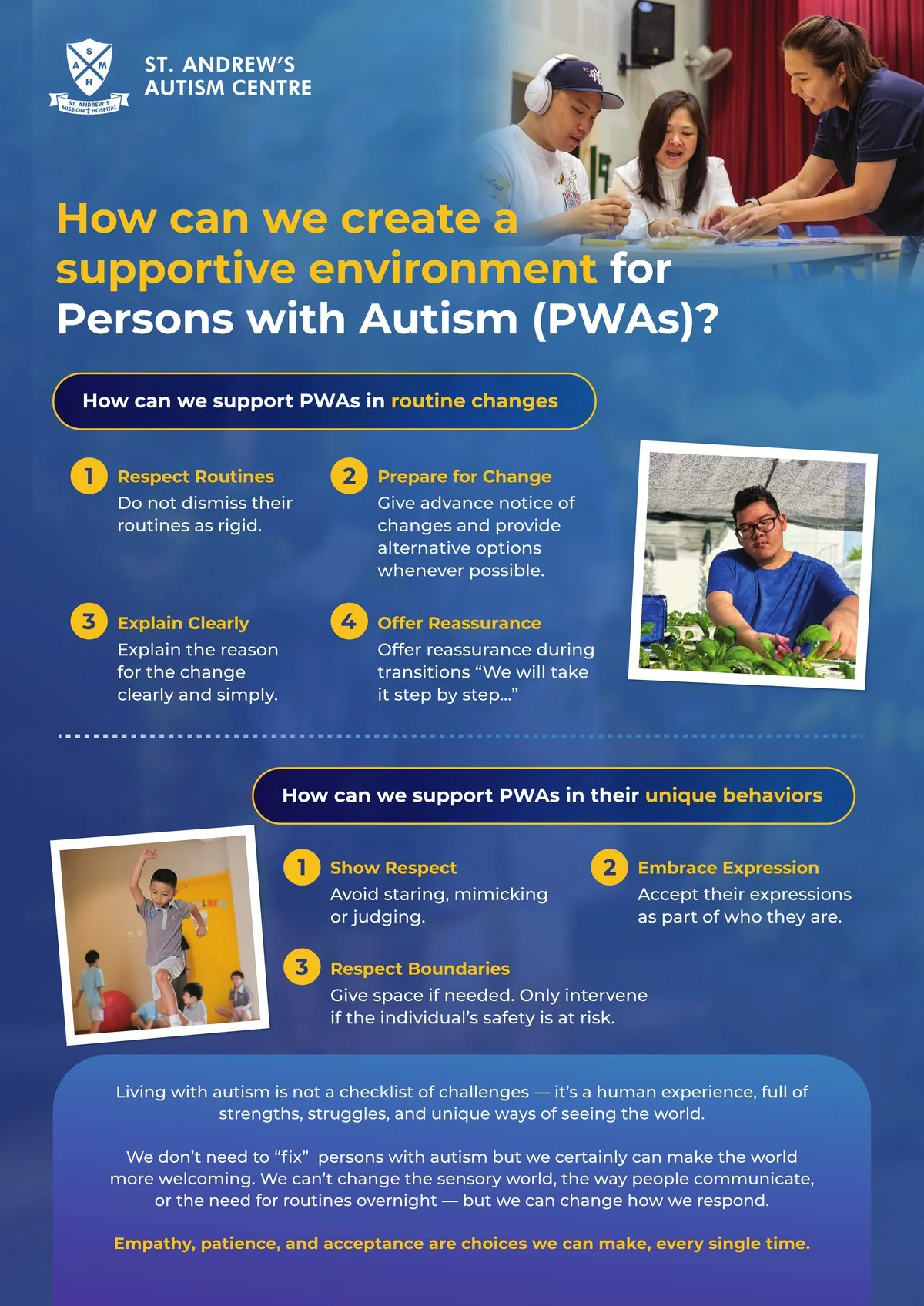
Living with autism is not a checklist of challenges — it's a human experience. We can't change the sensory world overnight, but we can change how we respond. Empathy, patience, and acceptance are choices we can make, every single time.
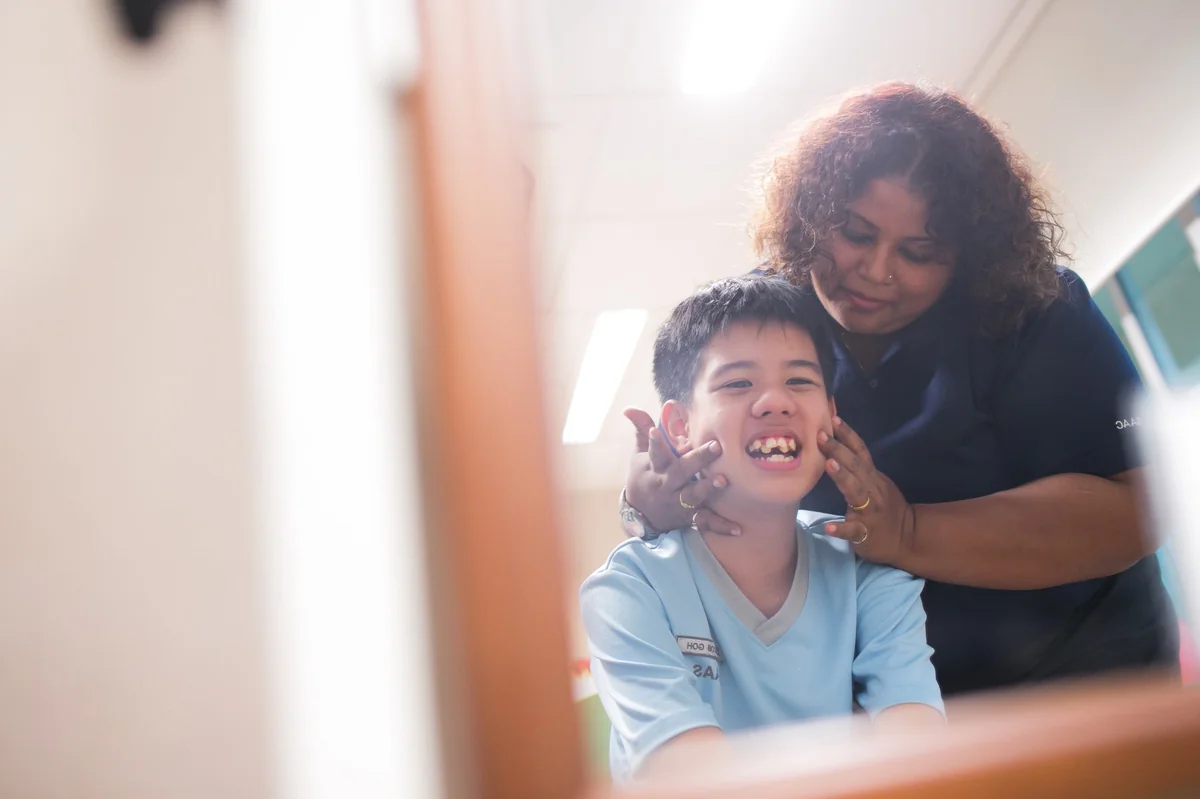
"Meet me where I am — not where you expect me to be."
Communication with persons with autism works best when we slow down, simplify, and pay attention to more than just words. Non-verbal cues — gestures, expressions, picture cards — are often their primary voice.
Avoid overloading with complex language or expecting an immediate response. Give them time and space to process what you've said before responding.
Remember: silence is not disinterest. It may simply be processing time.
How might slowing down and simplifying your communication actually improve your interactions with everyone — not just persons with autism?
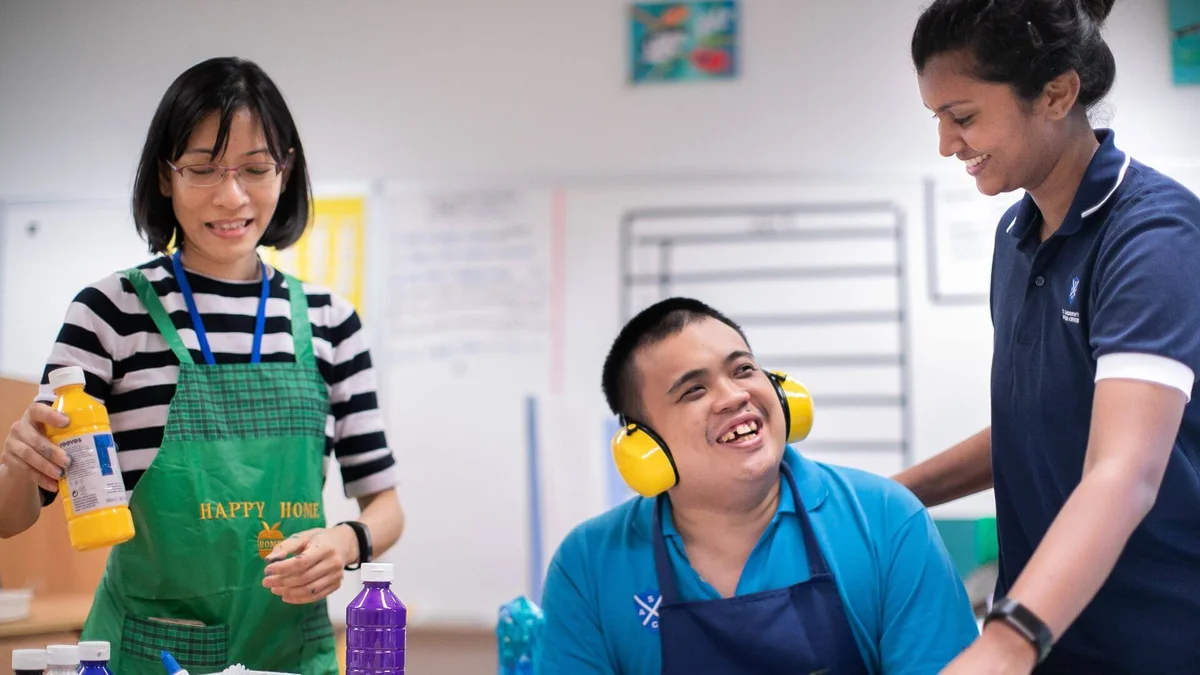
"I cannot simply 'deal with it.' My sensory world is real, and it matters."
Sensory needs cannot be wished away or overcome through willpower. For persons with autism, their sensory experience is their reality — and demanding they simply "cope" can cause genuine distress.
Creating a sensory-friendly environment doesn't require perfection — it requires awareness and willingness to make small adjustments. Turning down background noise, offering a quieter space, or simply not crowding someone can make an enormous difference.
What small changes could you make to your home, classroom, or workplace to make it more sensory-friendly for everyone?

"Change doesn't have to be a crisis — if I'm prepared for it."
When change is unavoidable — and it always is — the way it is introduced matters enormously. Springing changes on persons with autism without preparation can trigger significant distress, even if the change seems minor or positive to you.
Preparation, explanation, and reassurance transform change from a threat into something manageable. With the right support, persons with autism can and do adapt.
Think of a time you were blindsided by unexpected change. What would have made it easier — and how can you offer that to someone with autism?

"What looks unusual to you may be the only way I know how to feel okay."
Repetitive movements, unusual sounds, or intense focus on specific topics are not behaviours to be corrected or suppressed. They serve real purposes — regulation, comfort, expression, and communication.
We don't need to "fix" persons with autism. We need to make the world more welcoming — and that starts with choosing curiosity over judgement, every time.
We don't need to "fix" persons with autism — we can make the world more welcoming by changing how we respond.
The next time you notice an unusual behaviour in public, what question could you ask yourself before reacting?