Autism is not one thing. It is a spectrum — vast, varied, and deeply human. Here is what it means to live with autism, in all its complexity.
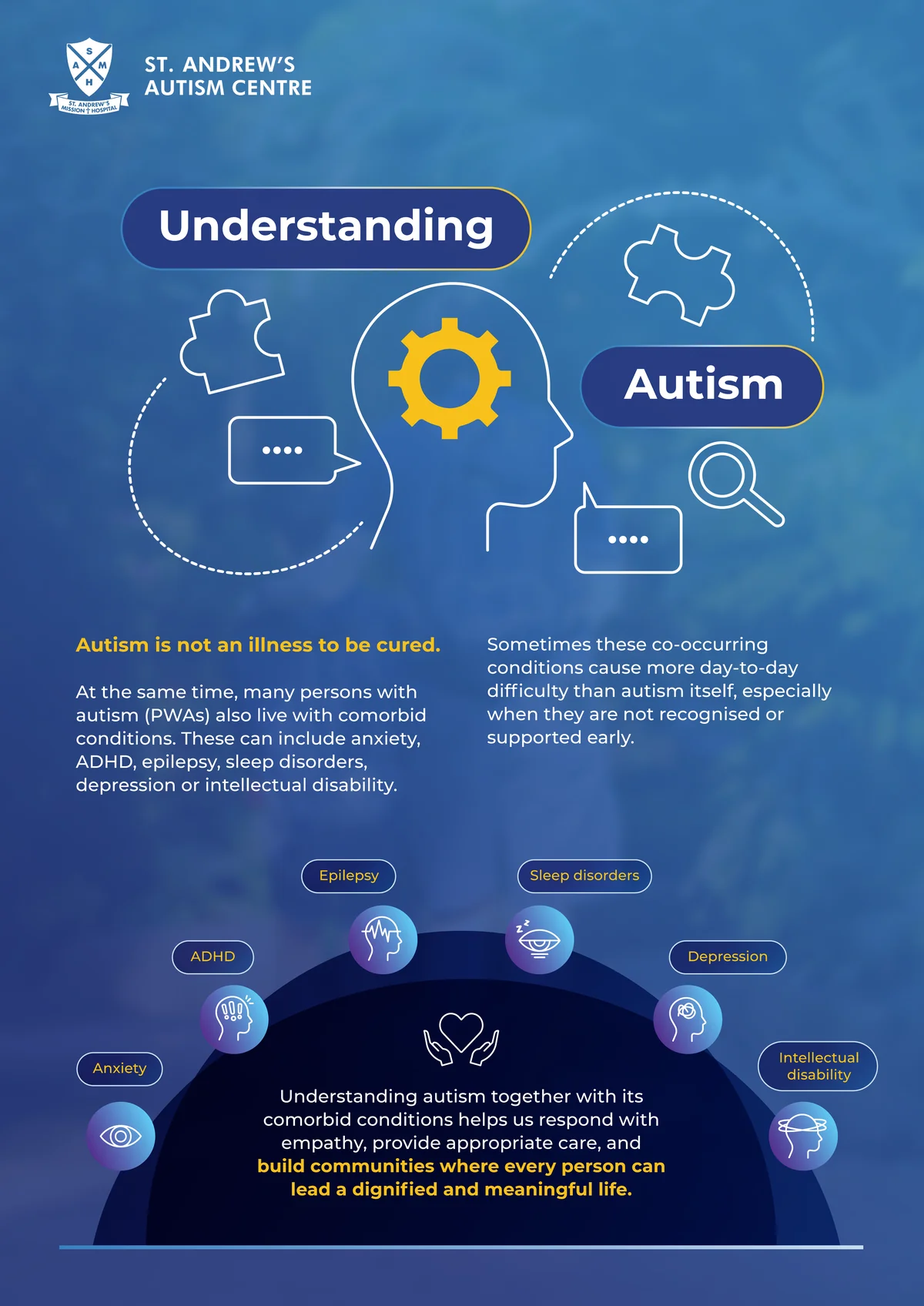
"Autism is not a disease to be cured. It is a different way of experiencing and engaging with the world — one that comes with its own strengths and challenges."
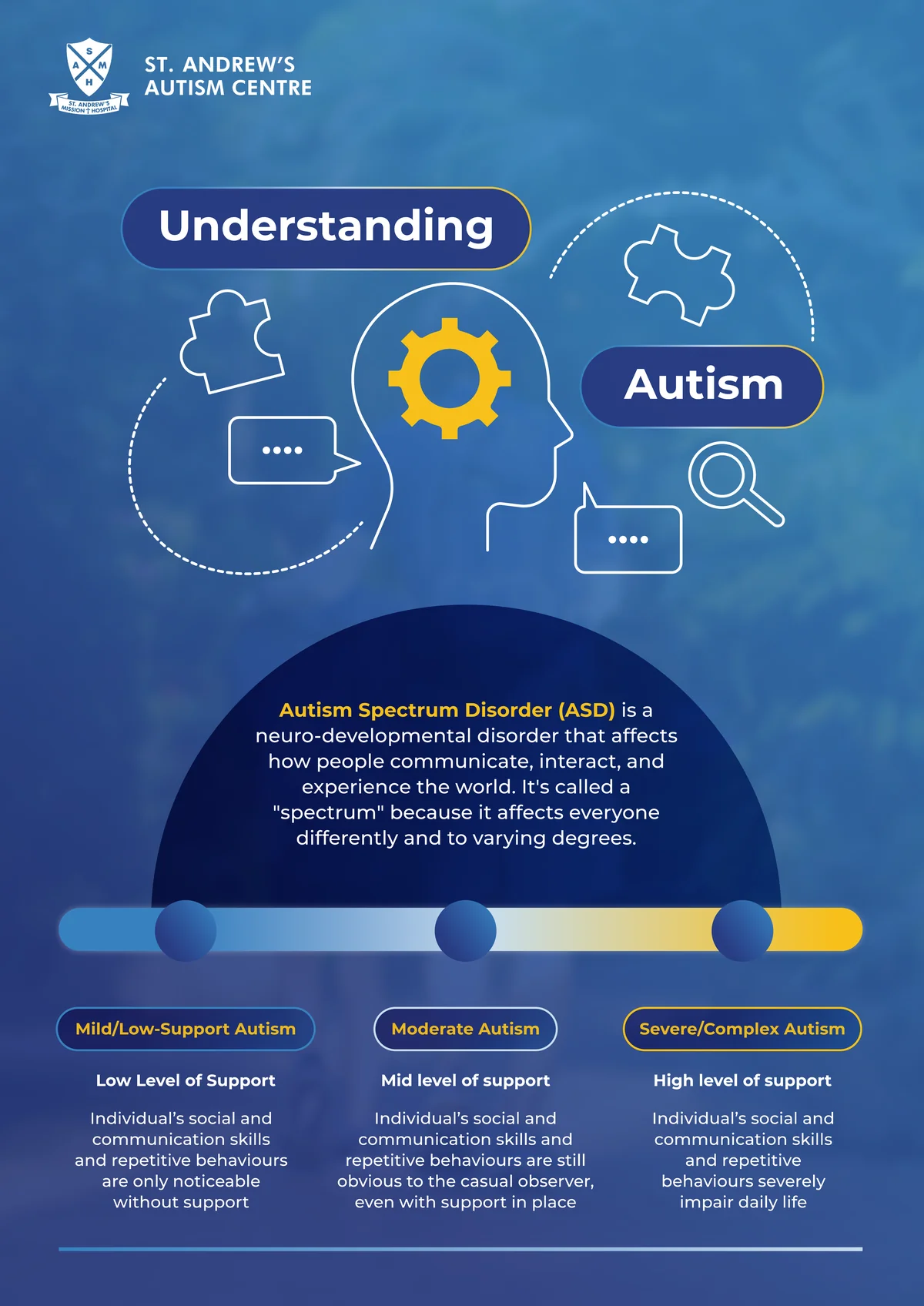
Autism Spectrum Disorder (ASD) is a neurodevelopmental condition that affects how a person perceives, communicates, and interacts with the world around them. It is present from birth, though it may not always be identified until later in life.
The word "spectrum" is important — no two persons with autism are the same. Some may be highly verbal and independent; others may be non-verbal and require significant support throughout their lives. What they share is a different way of processing the world.
Autism is not caused by parenting, diet, or vaccines. It is not something to be "fixed." For many, it is a core part of who they are.
What assumptions have you made about autism before today — and how has what you've learned changed them?
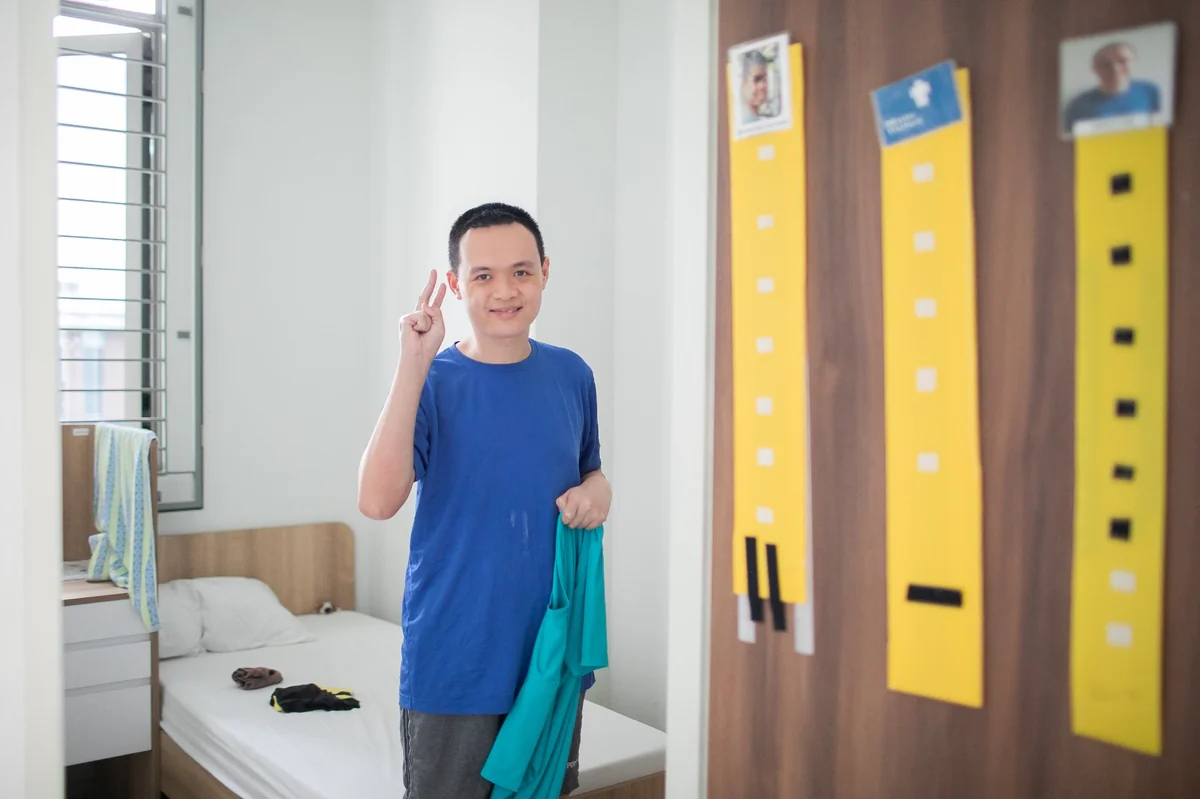
"When you've met one person with autism, you've met one person with autism."
The autism spectrum is not a linear scale from "mild" to "severe." It is more like a colour wheel — a wide, multidimensional space where each individual has their own unique profile of strengths and support needs.
A person may excel at pattern recognition or memory, while finding social communication or sensory environments challenging. Another may be deeply empathetic but struggle with transitions or unexpected change.
Support needs also vary enormously — and can change over time, across environments, and with the right tools and understanding in place.
How can understanding the spectrum help you respond to each person as an individual rather than a diagnosis?
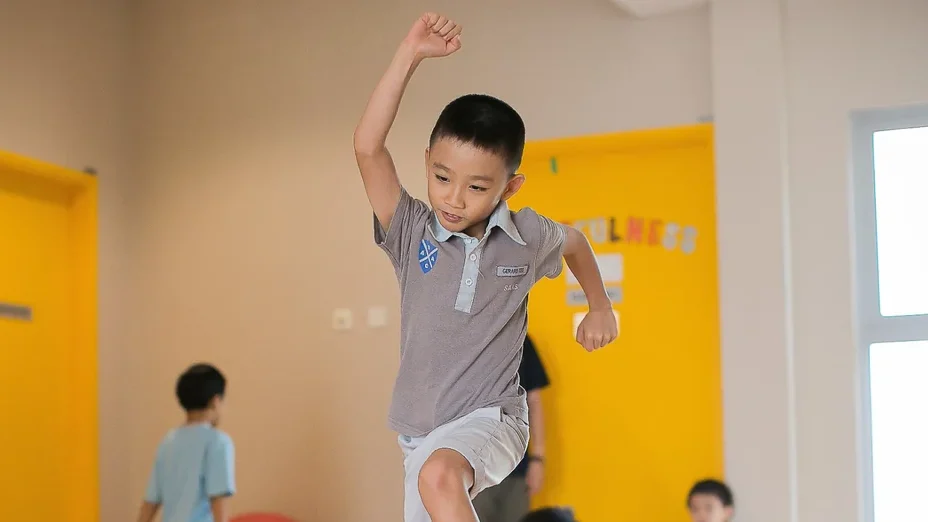
"Early identification opens doors — but it is never too late to understand and support someone with autism."
Autism is typically identified in early childhood, though many individuals — particularly females and those with higher support needs masked by coping strategies — are not diagnosed until much later.
Early signs can include differences in eye contact, social interaction, language development, play, and response to sensory stimuli. However, these vary widely and no two children present the same way.
A diagnosis is not a limitation — it is often a key that unlocks the right support, understanding, and community. It helps families, educators, and the individual themselves make sense of their experience.
If a child in your life showed some of these signs, how would you respond with curiosity and care rather than alarm?
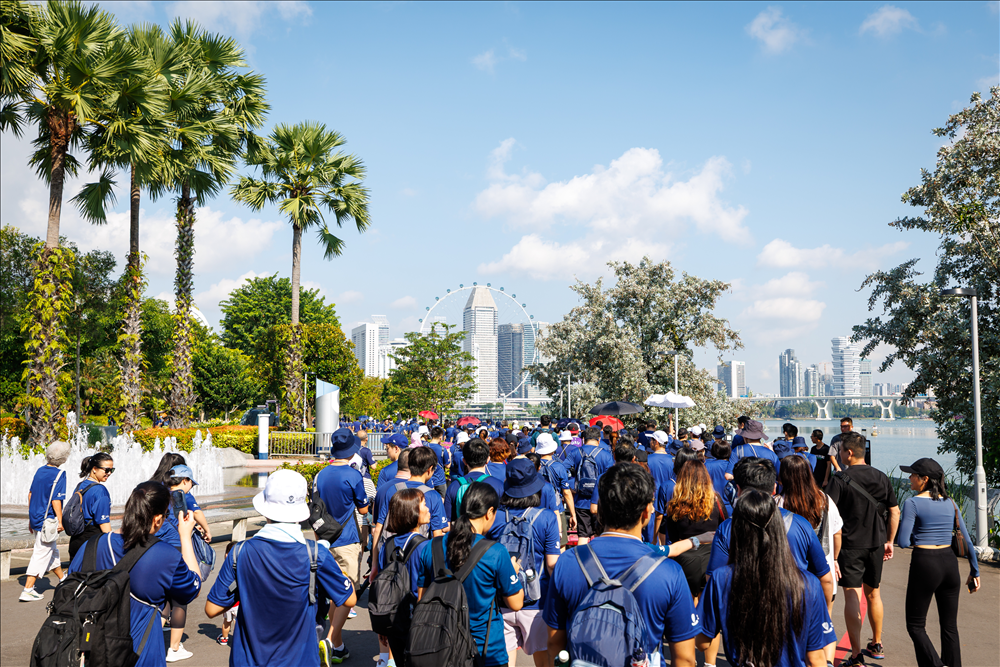
"Singapore has made significant strides — but every person with autism still deserves more than we are currently offering."
In Singapore, autism prevalence has risen steadily — from 1 in 150 in 2004 to 1 in 100 today. As awareness and diagnosis improve, more families are seeking support earlier.
Organisations like St. Andrew's Autism Centre (SAAC) work to bridge critical gaps — from early intervention and special education to post-school programmes and lifelong residential care. Yet demand continues to outpace supply, particularly for adults with moderate to severe support needs.
The need for community understanding, inclusive environments, and sustainable funding has never been greater.
What is one thing Singapore's community — including you — could do to better support persons with autism and their families?